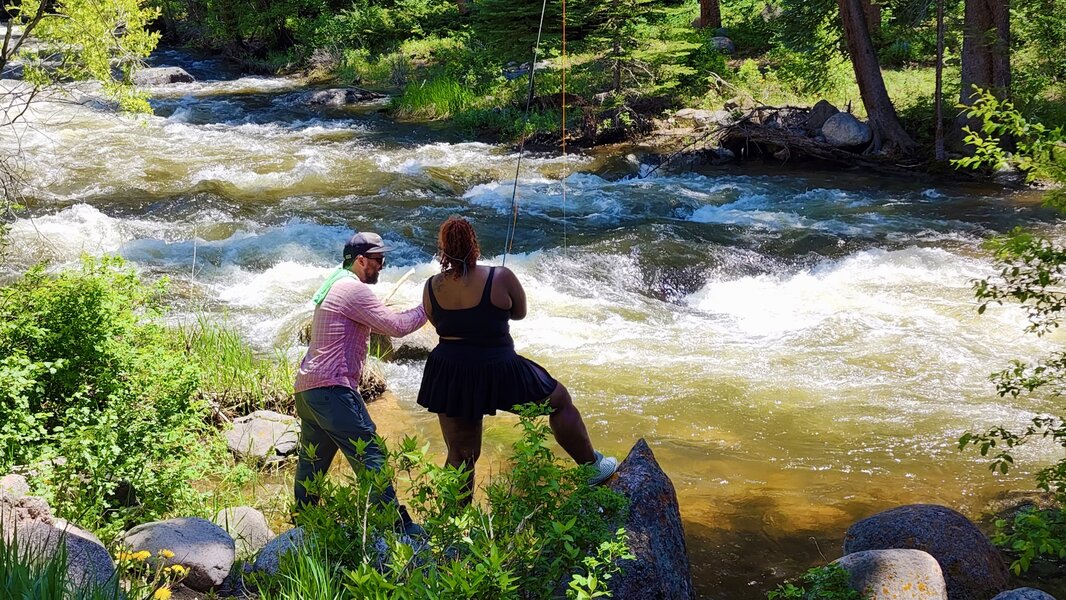
In recent years, the conversation around outdoor recreation has shifted towards inclusivity and accessibility. The idea that "The Outdoors Belong to Us, Too" emphasizes that outdoor spaces should be open and welcoming to all individuals, regardless of their socioeconomic status, physical ability, or background.
Historically, access to outdoor recreational areas has been limited for marginalized communities. Factors such as lack of transportation, financial barriers, and physical obstacles have prevented many from enjoying nature's benefits. Recognizing these disparities, organizations and policymakers are working to remove barriers and promote equitable access.
One significant initiative involves the development of accessible parks and trails designed to accommodate people with disabilities. These facilities include features like wheelchair-friendly paths, sensory-friendly areas, and adaptive sports programs. Such efforts aim to ensure that everyone can participate in outdoor activities without limitations.
Community outreach programs also play a vital role in bridging the gap. By engaging local residents and providing education about outdoor recreation opportunities, these programs foster a sense of ownership and encourage diverse participation. For example, some cities have launched mobile outreach units that bring outdoor gear and information directly to underserved neighborhoods.
Moreover, funding and policy changes are crucial to sustaining these efforts. Governments and private organizations are investing in grants and initiatives that prioritize inclusivity. These investments support the construction of accessible infrastructure and the training of staff to assist visitors with different needs.
Despite progress, challenges remain. Climate change, urbanization, and budget constraints continue to threaten access to natural spaces. Advocates argue that protecting and expanding outdoor recreation opportunities is essential for public health, mental well-being, and community cohesion.
In conclusion, creating inclusive outdoor spaces is not just about physical access but also about fostering a culture of respect and belonging. As awareness grows, more efforts are underway to ensure that the outdoors truly belong to everyone, regardless of their background or ability.